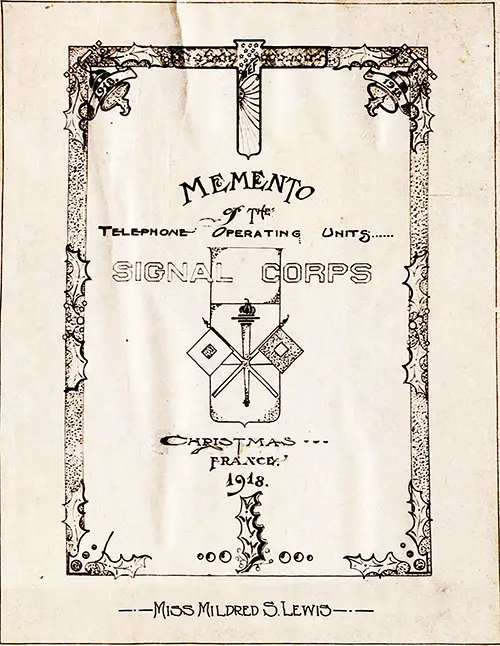
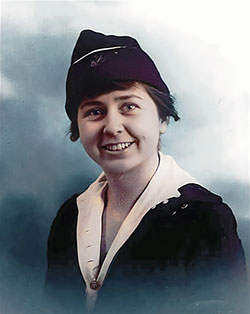
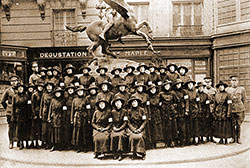
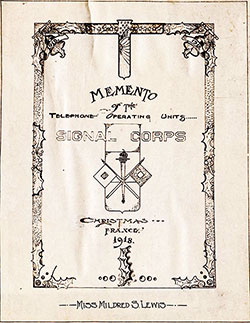
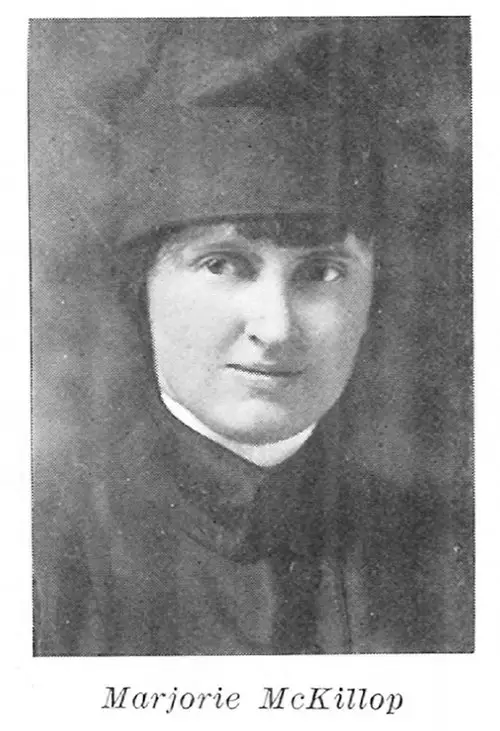
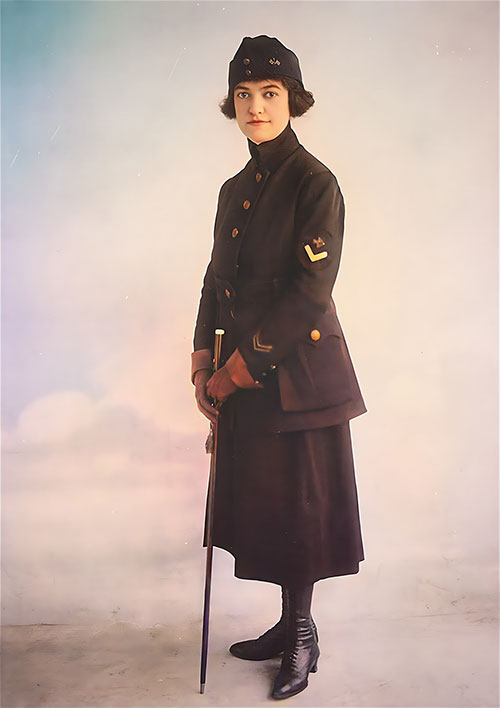
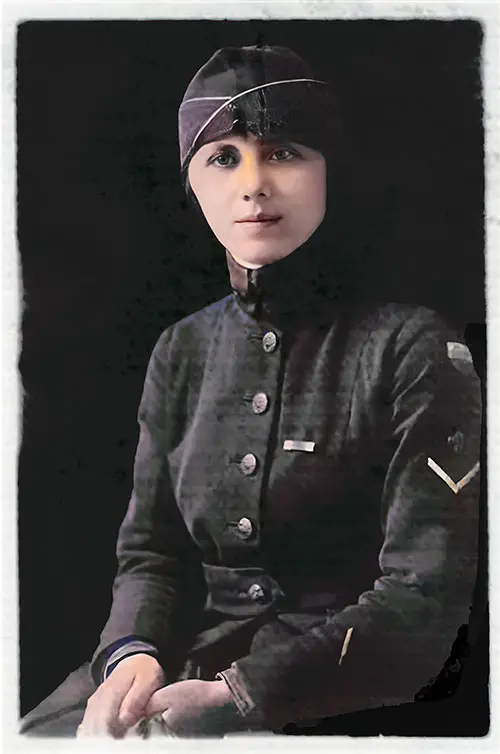
This index gathers the core primary sources that document the U.S. Army Signal Corps' women telephone operators—the "Hello Girls"—from 1917 through postwar demobilization and their later recognition fight. You'll find Pershing's cables requesting bilingual women, GHQ orders that shaped recruitment and deployment, contemporary rosters and roll-calls, and rare artifacts such as the 1918 Memento of the Telephone Operating Units.
The section also assembles sworn affidavits and exhibits later filed in Congress—evidence used to establish that the operators served in uniform, under orders, and under oath. Each entry includes a concise editorial abstract, period imagery where available, and a recommended citation. Original spellings and capitalization are preserved in transcripts when significant for research.
Research tips: Use the Rosters for names, units, and hometowns; consult Orders & Cables for policy and deployment details; see Affidavits & Exhibits for first-person service narratives and the legal status debate that shaped veterans' benefits.
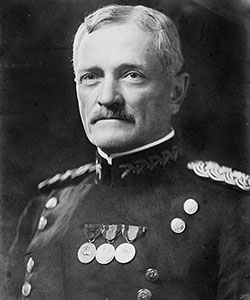
Facing a shortage of qualified male operators, Gen. John J. Pershing asks the War Department to dispatch 100 bilingual women to France, detailing grades, pay, allowances, and uniforms—an early step toward the Signal Corps "Hello Girls."
223 Women of the U.S. Army Signal Corps Telephone Operators Overseas (1918–1919)
Explore the earliest compiled roster of 223 “Hello Girls,” the U.S. Army Signal Corps telephone operators who served overseas during World War I.
Based on 1918–1919 press and Signal Corps reports, this list reflects the original wartime recognition of these women’s service and leadership.
Includes names, operating units, and select period photographs—an invaluable snapshot of how the women of the Signal Corps were viewed during the war itself.
Note: The roster below expands upon this earlier press-based list.
The 223 Operators page reflects 1918–1919 news and Army reports,
while the Roster & Hometowns (1918–1920) presents the verified archival record
of all Hello Girls units, including those who trained but did not deploy.
This roster serves as a cornerstone for genealogists, educators, and historians researching the pioneering women who made military communications possible.
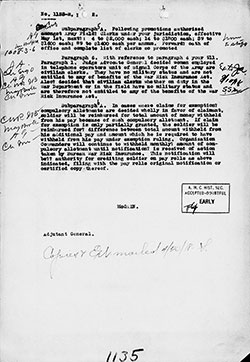
GHQ cable of
relaying the Judge Advocate General's decision: Signal Corps women telephone operators had no military status and were ineligible for War Risk Insurance. Includes transcript, legal ramifications (POW status, benefits), and later recognition.
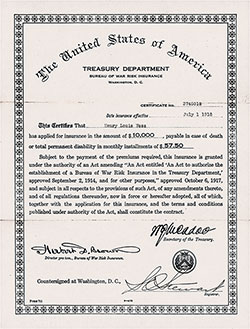
The YWCA War Work Council urged Congress to extend War Risk Insurance to the "Hello Girls,"
who were serving near the front but classified as civilians. The House approved relief; the Senate removed it. Includes context, glossary, and multi-style citations.
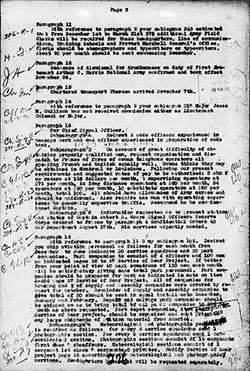
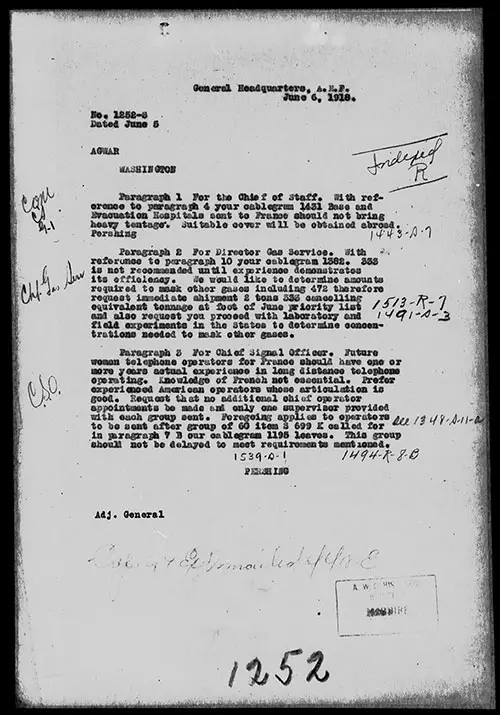
Pershing orders the Chief Signal Officer to prioritize seasoned long-distance operators with clear articulation; French no longer essential. One supervisor per group; do not delay the 60-operator draft already called.
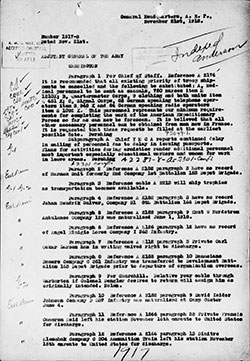
GHQ A.E.F. resets shipment priorities and calls for 85 German-speaking telephone operators and 84 radio operators as the minimum to finish the A.E.F.'s work after the Armistice.
This artifact offers a tangible link between the women’s frontline service and their later fight for veteran recognition.
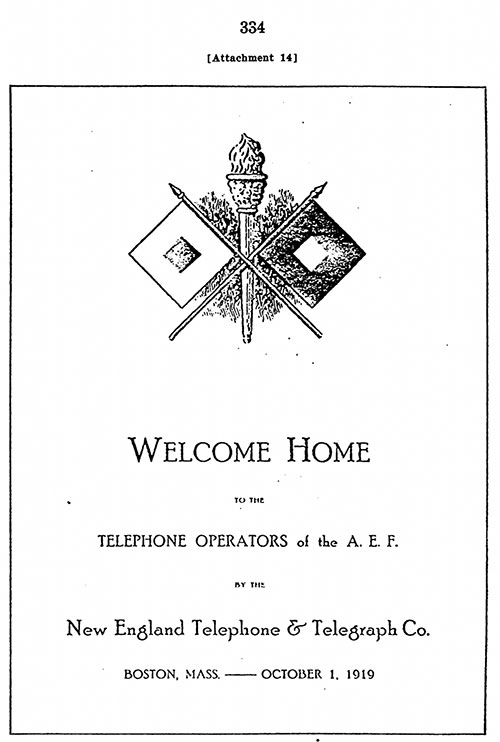
Telephone Operators of the AEF — Roll of Honor (1919)
Step into a 1919 homecoming: New England Telephone & Telegraph’s program honoring the
U.S. Army Signal Corps operators who kept the AEF connected. Explore the period Roll of Honor,
appreciation notes, the celebration schedule, and a contemporary tribute poem.
Source: Reprinted in the 1977 U.S. Senate hearing on recognition for VA benefits.
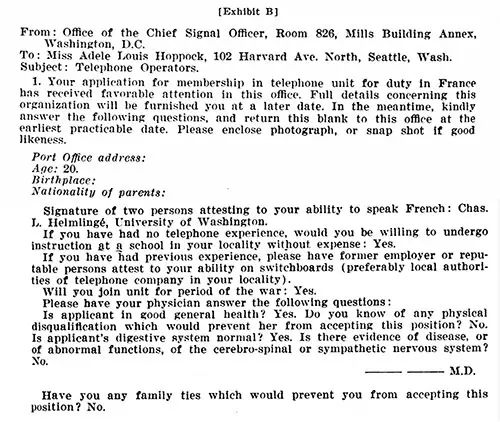
How the Army recruited and screened bilingual operators for service in France. Features Exhibit B with Adele L. Hoppock’s questionnaire—language attestations, medical fitness, instruction pledge, and wartime commitment.
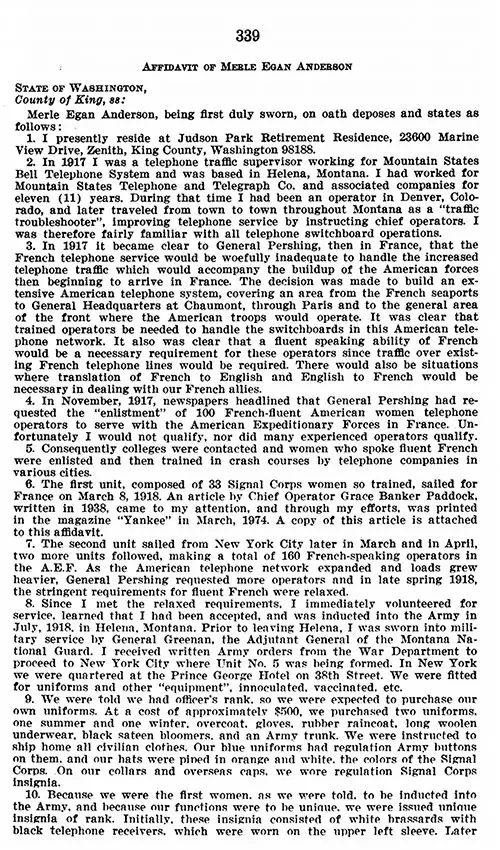
"Hello Girls” Affidavits & Testimonies 📜
First-person affidavits and official testimonies by U.S. Army Signal Corps telephone operators—evidence used to secure recognition and benefits decades after World War I. These documents illuminate enlistment, uniforms, oaths, duties near the front, and the long road to being acknowledged as veterans.
Curated by GG Archives · Last updated: August 2025
About These Records
In 1977, former Signal Corps telephone operators submitted sworn statements and appeared in hearings to establish that they had served under Army control “in uniform, under orders, and under oath.” These affidavits were foundational to later recognition efforts, including eligibility for veterans’ benefits and subsequent Congressional action.
The GG Archives presents these items with brief editorial summaries and links to the full texts (where available), preserving original phrasing and period spellings where possible.
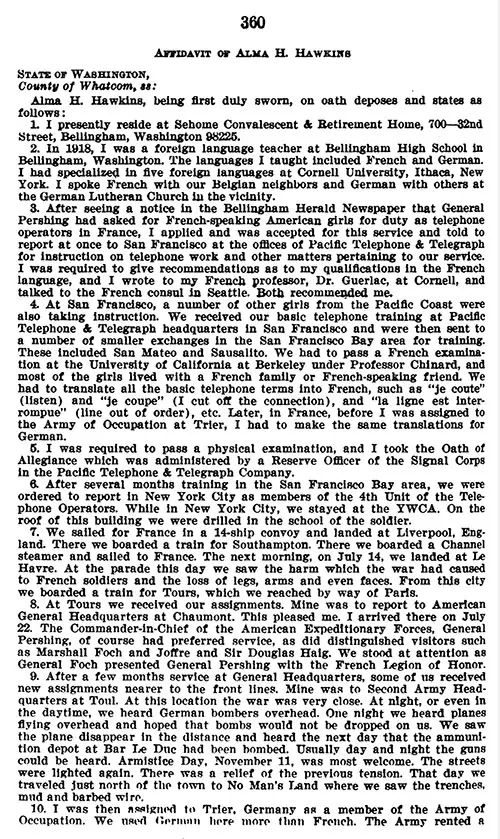
Affidavit of Alma H. Hawkins (1977)
Unit 4 operator Alma Hawkins recounts oath, uniformed status, bilingual training, and service from GHQ Chaumont to Second Army at Toul—key evidence for the Hello Girls’ recognition case.
Source: U.S. Senate Hearing (1977), Appendix B, pp. 360–361.
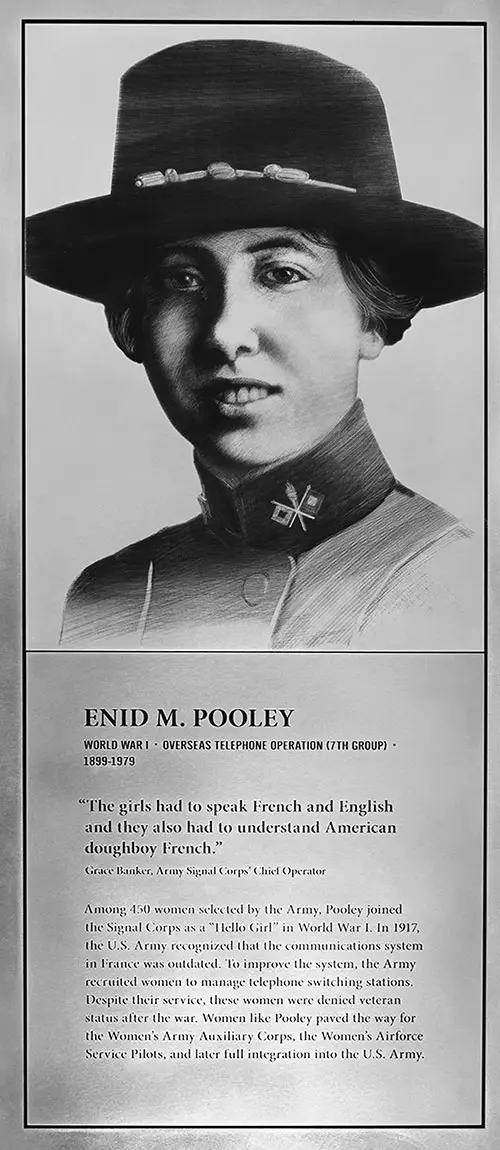
Affidavit of Enid M. Pooley (1977) — Unit 7 Signal Corps Telephone Operator
A first-person account from a Unit 7 operator who took the oath, wore the regulation Signal Corps uniform, trained with PT&T/AT&T, and was staged to embark when the Armistice (11/11/1918) halted deployment. Pooley’s sworn statement became key evidence in
the Hello Girls’ recognition effort.
Affidavits & Testimonies · Last updated: January 2025
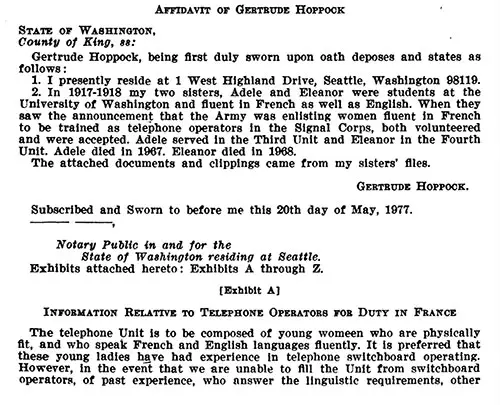
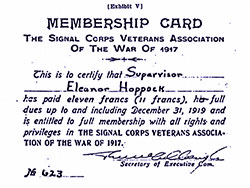
A sister’s sworn statement lodging exhibits from Adele (Unit 3) and Eleanor (Unit 4) Hoppock—evidence used in the 1977 hearings to recognize the Hello Girls as U.S. Army veterans.
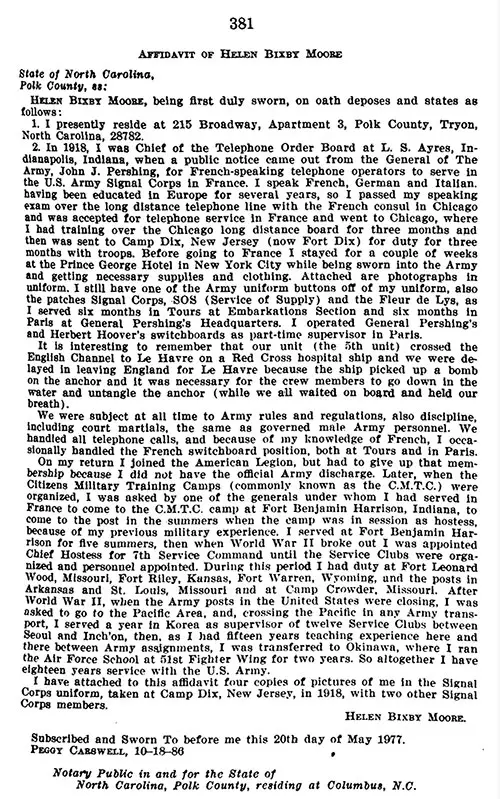
A first-person account of a Hello Girl who took the Army oath, wore Signal Corps insignia, trained on long-distance boards, and operated Pershing’s and Hoover’s switchboards at Tours and GHQ Paris.
Note: Rosters list Moore in the Sixth Unit; her affidavit references the 5th unit’s Channel crossing.”
A First Unit operator recounts oath and uniforms, Hoboken embarkation on the Celtic, First Army switchboard work at Neufchâteau for St. Mihiel and Meuse-Argonne, and Paris Peace Conference duty—core evidence in the Hello Girls’ recognition case.
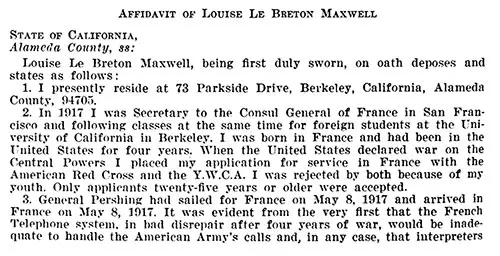
Maxwell names Grace Banker as Chief Operator and cites Brig. Gen. E. Russel’s Armistice-day commendation, aligning with multiple contemporary sources.
Unit 4 operator details oath and training, embarkation via Southampton, sustained duty at Le Havre to the Armistice, and later service in Paris and Brest—essential testimony from the 1977 recognition hearings.
Unit 5 operator recounts her oath and induction, Army uniforms and unique telephone-rank insignia, crossing on Aquitania, training soldiers on magneto switchboards in Tours, and later service for the American Peace Commission in Paris.
Unit 2 operator describes dual Army oaths, regulation uniforms/insignia, orders to Hoboken (Mar 1918), war risk insurance, and service at St. Nazaire, Brest, and Tours—a concise primary source on women’s military status in the AEF.
This affidavit is a compact primary source for the “military status” question—citing orders, insurance, command, discipline, and insignia—core to later recognition efforts.
Unit 6 testimony covering dual Army oaths, War Dept. orders, Signal Corps uniforms/insignia, Southampton quarantine, and GHQ Chaumont duty—ending with the postwar discharge vs. termination letter dispute.
Christides’ narrative is a compact primer on the status question—oaths, orders, uniforms, command, and discipline—while also preserving the communications tempo at GHQ and the women’s role in a modern military network.
Dated 20 November 1918, this concise commendation credits “the officers and men
and the young women of the Signal Corps” for wartime communications—an A.E.F.-level nod that
explicitly includes the Hello Girls.
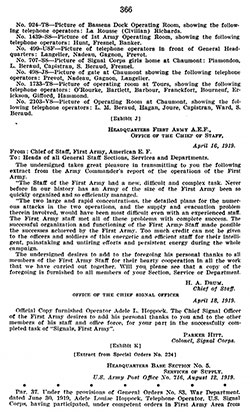
After-action praise from Headquarters, First Army credits staff work—planning, supply, evacuation,
and signals—for St. Mihiel and Meuse–Argonne successes. A signed note from Col. Parker Hitt personally thanks Operator Adele L. Hoppock, offering rare,
named recognition of a Hello Girl at the Army level.
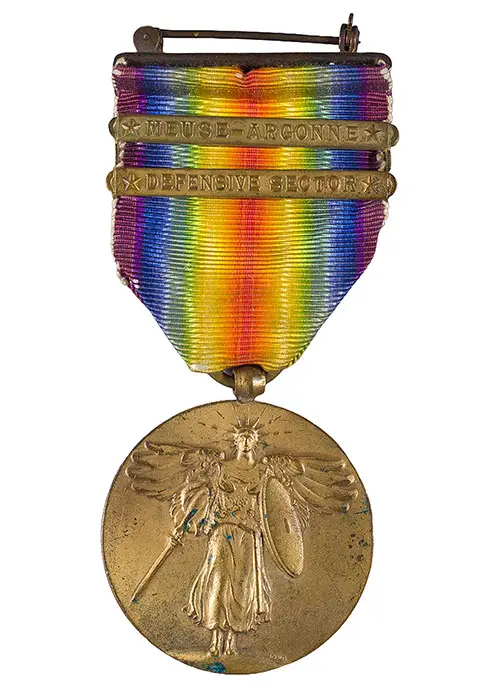
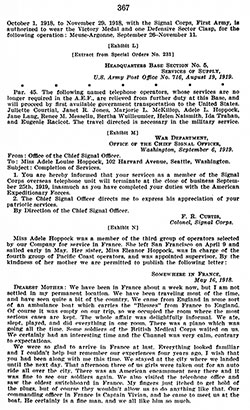
Official orders authorize Operator Adele L. Hoppock to wear the WWI Victory Medal with
a Defensive Sector clasp and campaign credit for Meuse–Argonne—a precise, primary-source record
tying a Hello Girl to America’s largest WWI operation.
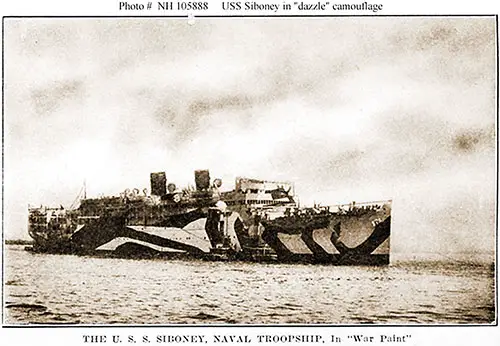
Demobilization orders from Base Section No. 5 (Brest/Cherbourg) list named Signal Corps Telephone
Operators—among them Adele L. Hoppock—as “no longer required” in the A.E.F. and direct their return to the
U.S. by first available government transport. The hero shows USS Siboney, a typical troopship outbound from Brest in
August 1919.
A curt War Department notice ends Hoppock's overseas Signal Corps service effective Sept. 25, 1919,
closing with appreciation conveyed strictly "by direction" of the Chief Signal Officer—an icy coda to a year of frontline communications work.
Source: U.S. Senate Hearing, Recognition for Purposes of VA Benefits (1977), p. 367.
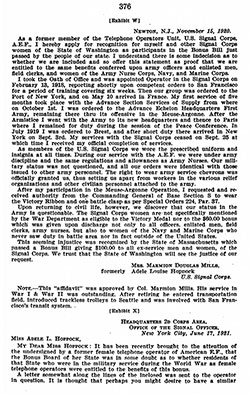
Primary-source letter from Adele Louise Hoppock, a U.S. Army Signal Corps telephone operator, urging Washington State to include the "Hello Girls" in the 1920 veterans' bonus after the Army classified them as civilians. Includes service summary from training and France to the Meuse–Argonne and Peace Conference, plus a full transcript and image.
Collection: Hello Girls — Documents & Reference Materials | Date: 15 Nov 1920 | Source: U.S. Senate Hearing (1977)
For individual documents linked from this index (e.g., cables, orders, affidavits), please cite the specific item's page using its own citation block.
Repository Information
The Gjenvick-Gjønvik Archives (GG Archives) is cataloged with the
Library of Congress under MARC Org Code: WiMfGGA and ISIL: US-wimfgga.
Current location:
N91W16562 Pershing Ave, #1
Menomonee Falls, Wisconsin 53051-2170, USA
Note: Historic addresses listed in earlier MARC records include Marietta, GA
and Woodstock, GA. These appear in authority files but are no longer active.
World War I
Hello Girls in the Great War
GG Archives